An Executive Perspective on Financial Freedom
Introduction
Credit cards were designed as tools of convenience, flexibility, and short-term liquidity. Used responsibly, they can support cash flow, build credit history, and provide transactional efficiency. Used poorly, however, credit cards become one of the most destructive forces in personal finance. High interest rates, compounding balances, and behavioral traps turn manageable spending into long-term financial strain.
As a CEO who has spent years analyzing consumer finance behavior, debt structures, and long-term wealth outcomes, I have seen credit card debt quietly erode financial progress for millions of capable, hardworking individuals. The problem is rarely intelligence or effort—it is structure. Credit card systems are engineered for dependence, not freedom.
This article presents a clear, executive-level roadmap to tossing credit card debt and replacing it with real, sustainable alternatives that support long-term financial health.
Understanding the Credit Card Debt Trap
Credit card debt is uniquely dangerous because it combines ease of use with high-cost borrowing. Interest rates often exceed those of any other consumer debt category.
Key characteristics include:
- Revolving balances
- Compounding interest
- Minimum payment illusions
- Behavioral overspending incentives
From a leadership perspective, credit card debt represents a misalignment between short-term convenience and long-term financial outcomes.
Why Credit Card Debt Persists
Many individuals carry credit card balances for years, not because they are irresponsible, but because the system encourages persistence.
Common reasons include:
- Reliance on minimum payments
- Unpredictable expenses
- Emotional spending habits
- Lack of alternative financial tools
Understanding why debt persists is essential before attempting to eliminate it.
The True Cost of Credit Card Debt
Interest charges silently multiply the cost of everyday purchases. What begins as a modest balance can double or triple over time.
From an executive standpoint, this represents an inefficient use of capital—one that benefits lenders at the expense of consumers.
Step One: Acknowledge and Assess
Eliminating credit card debt begins with clarity. This requires an honest assessment of balances, interest rates, and spending behavior.
Effective assessment includes:
- Listing all balances
- Identifying highest interest rates
- Calculating total interest exposure
Leadership begins with transparency—even in personal finance.
Step Two: Stop the Bleeding
Before debt can be eliminated, accumulation must stop. Continuing to use credit cards while attempting repayment undermines progress.
Recommended actions include:
- Pausing credit card use
- Removing cards from digital wallets
- Switching to controlled spending methods
This step is behavioral, not mathematical—and it is critical.
Step Three: Choose a Strategic Repayment Method
Debt elimination requires structure. Two widely used strategies include:
- Interest-Focused Strategy: Prioritize highest-interest balances first
- Momentum Strategy: Pay off smallest balances first to build confidence
From a CEO perspective, consistency matters more than method. Select a strategy that can be sustained.
The Role of Cash Flow in Debt Elimination
Debt repayment accelerates when cash flow is intentionally redirected. This may involve expense reduction, income increases, or both.
Executive discipline requires treating debt repayment as a strategic priority, not an afterthought.
Why Simply Transferring Balances Is Not a Solution
Balance transfers may lower interest temporarily, but they do not address spending behavior or dependency.
Without structural change, transferred debt often returns—sometimes larger than before.
Tossing Credit Cards: What It Really Means
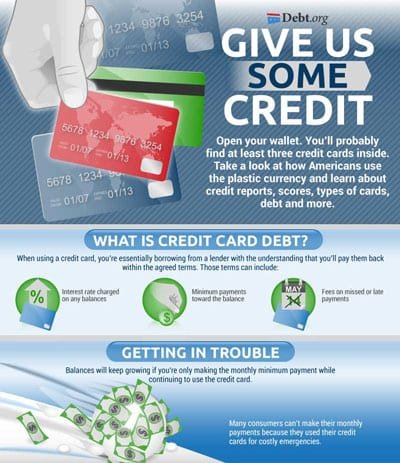
“Tossing” credit card debt does not necessarily require eliminating credit cards entirely. It means removing them as primary spending tools.
The objective is control, not deprivation.
Real Alternatives to Credit Cards
Replacing credit cards with healthier financial tools is essential for lasting change.
Debit-Based Spending
Using debit cards tied to real balances restores awareness and limits overspending.
Cash and Envelope Systems
Though traditional, cash-based systems increase intentional spending and reduce impulse purchases.
Budgeting and Spending Plans
A structured spending plan replaces reactive borrowing with proactive control.
Emergency Funds as a Credit Alternative
Many people rely on credit cards for emergencies. Building an emergency fund reduces this dependency.
Even modest reserves create financial breathing room and resilience.
Installment-Based Financing
When borrowing is necessary, installment loans with fixed terms and lower interest rates provide clarity and predictability.
From a leadership perspective, structured debt is preferable to revolving uncertainty.
Behavioral Change: The Missing Element
Debt elimination is not only a financial process—it is a behavioral one.
Key changes include:
- Delayed gratification
- Conscious spending
- Emotional awareness
Sustainable change requires alignment between values and actions.
The Psychology of Financial Control
As individuals regain control over spending, confidence increases. Reduced stress and improved decision-making often follow.
Financial control reinforces personal empowerment.
Credit Scores and Life After Credit Cards
Contrary to common belief, eliminating credit card dependency does not destroy credit scores.
Responsible alternatives and timely payments can maintain healthy credit profiles.
Rebuilding Financial Identity
Moving away from credit card reliance reshapes financial identity—from consumer to strategist.
As CEO, I emphasize identity shift as a core driver of lasting success.
Integrating Debt Freedom into Financial Planning
Debt elimination should align with broader goals such as savings, investing, and retirement planning.
Freedom from high-interest debt accelerates progress in every other financial area.
Common Mistakes to Avoid
Common errors include:
- Closing accounts impulsively
- Replacing credit cards with equally harmful debt
- Ignoring spending triggers
Avoidance of these mistakes sustains progress.
The CEO Framework for Credit Card Independence
From executive experience, sustainable freedom follows this framework:
- Awareness of true costs
- Immediate spending control
- Strategic repayment
- Replacement with real alternatives
- Behavioral discipline
- Long-term planning integration
Financial Freedom as a Leadership Skill
Personal financial discipline mirrors professional leadership. Those who manage resources wisely lead more effectively in all areas of life.
Long-Term Impact of Tossing Credit Card Debt
Eliminating credit card debt improves cash flow, reduces stress, and increases opportunity.
It transforms money from a source of pressure into a strategic tool.
Conclusion: Choose Control Over Convenience
Credit cards promise convenience but often deliver constraint. Tossing credit card debt is not about restriction—it is about reclaiming control.
From a CEO perspective, the path to financial freedom is clear: eliminate high-cost debt, replace it with real alternatives, and lead your financial life with intention.
When credit card debt is removed from the equation, clarity, confidence, and opportunity take its place.
Word Count:
536
Summary:
Did you get an easy credit card in college? Or, are you someone who got one for the convenience of being able to pay without cash? Not aware of other easy ways to borrow money?
Millions of us do this thanks to the unavoidable advertising of the credit card industry. Few people realize just how many alternatives to credit cards there are. There are others ways of using credit without finding yourself swimming in credit card debt.
Let�s take a look at a few.
Debit Card…
Keywords:
credit card debt, eliminate credit card debt, credit card
Article Body:
Did you get an easy credit card in college? Or, are you someone who got one for the convenience of being able to pay without cash? Not aware of other easy ways to borrow money?
Millions of us do this thanks to the unavoidable advertising of the credit card industry. Few people realize just how many alternatives to credit cards there are. There are others ways of using credit without finding yourself swimming in credit card debt.
Let�s take a look at a few.
Debit Cards.
Debit cards are often used in many European countries but are relatively unheard of elsewhere. Basically, they�re just like credit cards and are accepted everywhere credit cards are accepted. The only (and big) difference is that they take any money you spend directly from your bank account instead of you getting a bill at the end of the month. You also avoid the accumulation of credit card debt using these types of cards. Be aware though, that you aren�t as well-protected from fraud with a debit card as you would be with a credit card.
Pre-Paid Credit Cards.
These are cards that work just like credit cards except that you can�t have a negative balance and you have to put money on the card before you can spend it. This card is great if you want to know how much you are spending not to mention that you have no recurring credit card debt each month. They�re also safer than debit cards since someone who stole the card can only spend whatever money is on it at the time.
Bank Overdrafts.
A good bank overdraft, used together with a credit card, can be a far better way of borrowing money than using a credit card alone. Your overdraft limit is set by the bank according to how much you deposit into your account each month plus you don�t need to pay it off until you want to.
Basically, it just gives your account the ability to go into negative numbers. Many banks charge relatively high interest rates for overdrafts but rarely are these rates as high as a credit card. They will give much better rates for good customers.
Real Loans.
When you�re buying one big item at a fixed price (like a car) or spend all your money on one type of thing (home improvements, for example), it�s worth budgeting it all out and going to a bank or a loan company. They�ll be able to lend you the money at a much better rate than a credit card would simply because they know why you�re taking the loan. They can set regular monthly payments for you to repay it.
Credit Unions.
Credit unions are like banks, only more local. They are cooperatives, that is, owned by their members and run by the community. They are a great place to

Tinggalkan Balasan