Introduction
Credit card debt settlement is often presented as a fast and decisive solution for individuals overwhelmed by unsecured debt. Advertisements promise reduced balances, quick relief, and a fresh financial start. While debt settlement can, in certain circumstances, provide meaningful relief, it is not a universal remedy and carries significant trade-offs.
As a CEO with extensive experience in consumer finance, risk management, and long-term financial strategy, I have seen both the successes and failures of credit card debt settlement. The outcome depends not only on the program itself, but on timing, individual financial behavior, and realistic expectations.
This article provides a comprehensive, balanced, and executive-level analysis of the pros and cons of credit card debt settlement, empowering readers to make informed decisions aligned with long-term financial health.
What Is Credit Card Debt Settlement?
Credit card debt settlement is a process in which a borrower negotiates with creditors to pay less than the full balance owed, typically in a lump sum or structured payment plan. Creditors may agree to settle when they believe partial repayment is preferable to the risk of default.
Settlement may be pursued independently or through third-party settlement companies. Each approach carries different risks, costs, and levels of control.
Why Consumers Consider Debt Settlement
Individuals often explore debt settlement when traditional repayment methods become unsustainable.
Common motivations include:
- High interest rates and compounding balances
- Reduced income or job loss
- Medical or emergency expenses
- Fear of bankruptcy
From an executive perspective, debt settlement is typically a response to financial distress rather than proactive planning.
The Pros of Credit Card Debt Settlement
Reduced Total Debt Obligation
The primary advantage of settlement is the potential reduction in total debt owed. Settlements may reduce balances significantly, offering psychological and financial relief.
Faster Resolution Than Minimum Payments
Compared to making minimum payments over many years, settlement can shorten the timeline to debt resolution.
Alternative to Bankruptcy
For some individuals, debt settlement may be preferable to bankruptcy, which carries long-term legal and credit consequences.
Potential Cash Flow Relief
Once settlements are completed, monthly obligations may decrease, improving short-term cash flow.
From a CEO viewpoint, these benefits are situational and must be weighed carefully against long-term consequences.
The Cons of Credit Card Debt Settlement
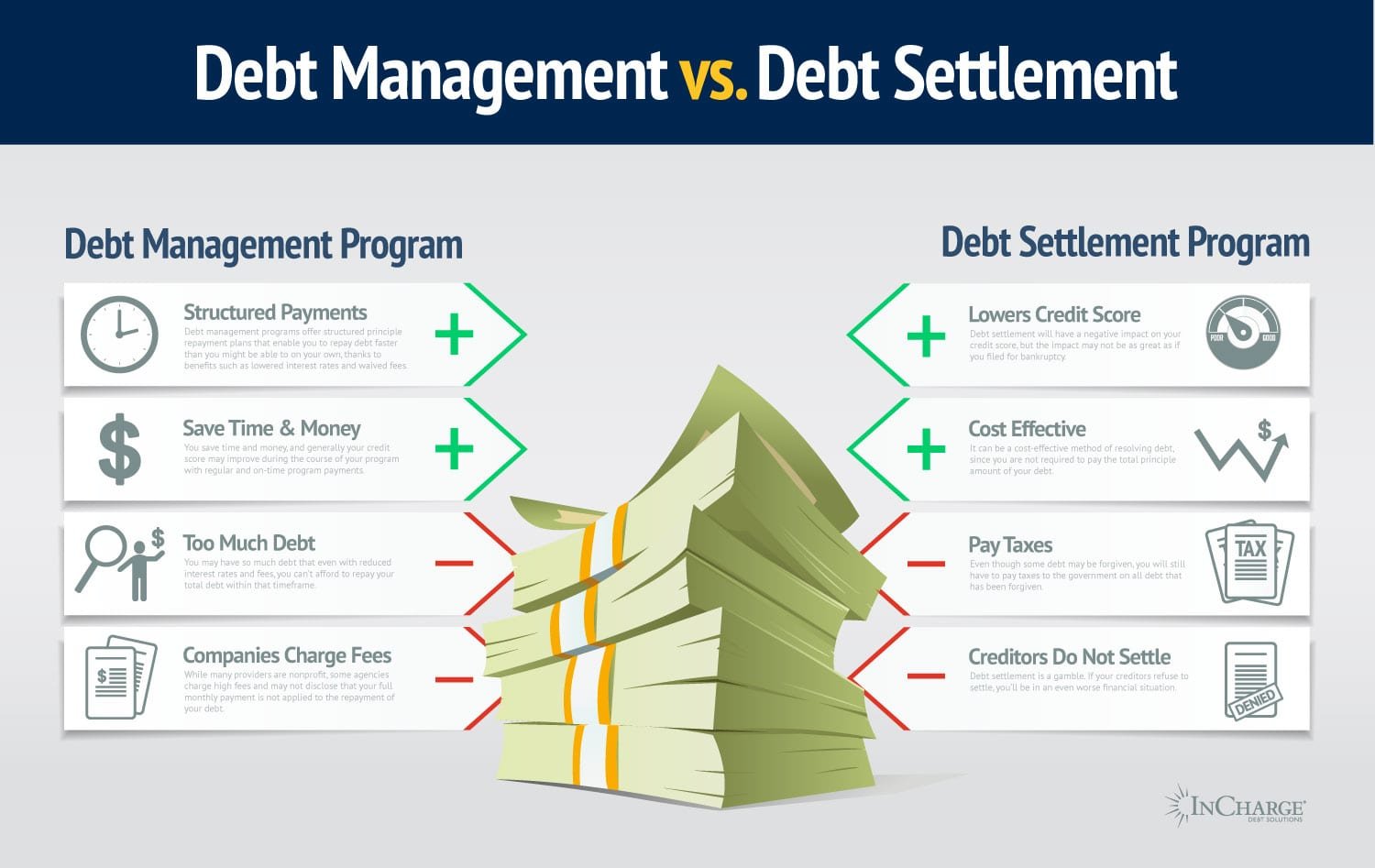
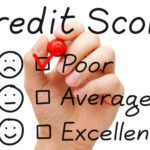
Significant Credit Score Damage
Debt settlement typically requires missed payments, which severely damage credit scores. Settled accounts are reported as paid for less than agreed, impacting creditworthiness for years.
Tax Implications
Forgiven debt may be considered taxable income, creating unexpected tax liabilities.
Fees and Costs
Third-party settlement companies often charge substantial fees, reducing the net benefit of settlement.
Legal and Collection Risks
During settlement negotiations, creditors may pursue collections or legal action.
No Guaranteed Outcomes
Creditors are not obligated to settle. Failed negotiations can leave borrowers worse off.
From an executive perspective, these risks demand serious consideration before proceeding.
Debt Settlement Versus Other Debt Relief Options
Debt settlement is one of several potential debt relief strategies.
Alternatives include:
- Debt management plans
- Credit counseling
- Balance repayment strategies
- Bankruptcy
Each option has distinct financial, legal, and emotional implications.
The Role of Timing in Debt Settlement
Timing significantly affects settlement success. Creditors are more likely to negotiate after prolonged delinquency, but this increases credit damage.
Executive-level decision-making evaluates timing as a strategic variable, not a coincidence.
Behavioral Considerations and Discipline
Debt settlement does not address the behaviors that created debt. Without behavioral change, individuals risk repeating the cycle.
Leadership discipline requires addressing spending habits alongside debt relief.
Choosing Between DIY Settlement and Settlement Companies
Settling debt independently offers more control and lower costs but requires negotiation skills and emotional resilience.
Settlement companies offer convenience but reduce transparency and increase cost.
From a CEO perspective, control and accountability are critical factors.
Impact on Long-Term Financial Goals
Debt settlement may delay goals such as homeownership, business financing, or career mobility due to credit impact.
Executive planning considers opportunity cost—not just immediate relief.
Ethical and Transparency Concerns
Some settlement companies use aggressive marketing and unrealistic promises.
Ethical decision-making involves due diligence and skepticism toward guaranteed outcomes.
Credit Recovery After Debt Settlement
Recovery is possible but requires patience and consistency.
Key steps include:
- Establishing on-time payment behavior
- Rebuilding credit gradually
- Avoiding new high-interest debt
From a leadership standpoint, recovery is a structured, multi-year process.
When Debt Settlement May Be Appropriate
Debt settlement may be appropriate when:
- Debt is unsecured
- Income is insufficient for repayment
- Bankruptcy is the alternative
Even then, professional advice is essential.
When Debt Settlement Should Be Avoided
Settlement is generally unsuitable for individuals who:
- Can afford structured repayment
- Seek to preserve credit standing
- Are vulnerable to aggressive collection stress
Avoidance of unnecessary harm is a leadership principle.
The CEO Framework for Evaluating Debt Settlement
From executive experience, evaluation should follow this framework:
- Assess financial reality honestly
- Compare all debt relief options
- Understand credit and tax consequences
- Evaluate long-term goals
- Commit to behavioral change
Psychological Impact of Debt Settlement
While settlement may reduce debt balances, the emotional toll of collections and uncertainty can be significant.
Mental resilience is an often-overlooked factor in decision-making.
Regulatory Environment and Consumer Protections
Debt settlement is regulated in many jurisdictions, but enforcement varies.
Consumers must understand their rights and obligations.
Integrating Debt Settlement Into Financial Recovery
If chosen, debt settlement should be part of a broader recovery plan that includes budgeting, savings, and education.
Isolated solutions rarely deliver lasting success.
Long-Term Perspective on Financial Recovery
Financial recovery is not defined by one decision but by sustained discipline over time.
From a CEO perspective, patience and structure matter more than speed.
Conclusion: Weigh Relief Against Responsibility
Credit card debt settlement can provide meaningful relief for some, but it carries serious consequences that cannot be ignored.
As a CEO, my guidance is clear: debt settlement should be approached as a last-resort strategic decision, not a quick fix. Understanding both the pros and cons is essential to protecting long-term financial health.
When evaluated honestly and integrated responsibly, debt settlement can be a step toward recovery. When misunderstood or rushed, it can deepen financial challenges.
Word Count:
974
Summary:
Are you a self-confessed shopaholic who buys anything and everything that you get your shopping addicted hands on? Such thoughtless and impulsive buying will most likely result in the accumulation of a bunch of junk that will simply collect dust. Can you even remember that silk scarf you just had to have and since it was a virtual steal at 50% off you just had to buy it? Where is it now and how many times have you actually worn it? Is it still fashionable?
If you’re like m…
Keywords:
credit card debt, debt consolidation, debt help, credit card debt loans
Article Body:
Are you a self-confessed shopaholic who buys anything and everything that you get your shopping addicted hands on? Such thoughtless and impulsive buying will most likely result in the accumulation of a bunch of junk that will simply collect dust. Can you even remember that silk scarf you just had to have and since it was a virtual steal at 50% off you just had to buy it? Where is it now and how many times have you actually worn it? Is it still fashionable?
If you’re like most people, chances are you’ll have to rummage through bins and bins of collected shopping “litter” which you’ve accumulated through the years, just to be able to see that once precious scarf. You may still be in a state of denial by saying “Fashion goes round and round and that scarf will have its shining moment once again.”
Unfortunately, many people fall into this mode of impulsive buying that they really can’t afford and before they realize it they become saddled with debt. If you fall into this category, you’ll soon need to learn a thing or two about debt settlement which can assist you in extracting yourself out of that self-imposed state of financial trauma and begin to start rebuilding your life bit by bit. And the time to start is now! Of course, you have to be honest with yourself, admit that you’ve got a serious debt problem and then humble yourself enough to seek the help you need to pull yourself out of this devastating ordeal.
First things first, a lot of people may actually think that they only have a few choices when it comes to solving their debt problems. The two most common options for those who are burdened with enormous amounts of debt are either to consider declaring bankruptcy or debt consolidation. Unfortunately, if you take the easy way out by declaring bankruptcy, it will leave an embarrassing and indelible mark on your credit report for up to 7 years, which will result in higher interest rates, less credit and if you try do qualify for a mortgage (some lenders do give loans immediately after bankruptcy) you will most likely not be able to get a loan to cover 100% of the financing you need. Normally, an 80% first mortgage and if you can get a second mortgage, it will be at much higher interest rate and probably only 10% of the loan value for a total of 90% of the loan to value and you’ll have to come up with 10% down.
Clearly, everything will come with a higher price for a period of time but you’ll have to weigh that with a straight debt consolidation solution in which you pay off your debt. However, in many cases you can negotiate with the collection agency and it’s realistic to get 25% – 50% of the debt forgiven, if you can show that you’ll continue to make monthly payments until the remainder is paid off.
Many of the debt settlement / debt consolidation companies were actually established by the credit card companies themselves. Why, you ask… because it only makes sense for the credit card companies to help you pay off your debt because they can either forgive some of the debt or reduce the interest rates, lower the monthly minimum payment requirements or some combination and get paid a portion of the money owed or receive nothing if you declare bankruptcy. What would you do if you were in their shoes? The answer is obvious. This is why a lot of people who have been saddled with debt are now being offered debt settlement. Of course, not all debt consolidation service companies are owned by credit card companies but many are.
Some groups offer debt settlement programs through arbitration. The “selling point” when it comes to these kinds of solutions is that debt settlement will actually help end your debt problems, without having to go through declaring bankruptcy, without having to pay overcharged debt consolidation program fees as well as helping you avoid getting caught in the debt consolidation trap that a lot of people have fallen victim to.
In many cases, what the organizations do that offer debt settlement services is negotiate your debt down with the collection agencies that have been given your case. I would encourage you to contact a number of companies to ensure you feel comfortable and that you are working with a quality company that doesn’t over-charge you for their services.
On the other hand, if you would really like to save money, which only makes sense since you are already heavily in debt… then negotiate with the collection agency yourself. It’s not difficult, rather than getting upset when you get called night after night simply tell the collection agency rep that you would like to pay off your debt but you can only do it if you can get it reduced and then ask them that you would like to get the debt you owe reduced by 50% – 60%, even 75% and ask them to see what they can do. Ask for a lot up front because as in any negotiation there’s always a give and take. Believe me, they will go to work for you and your offer will be seriously considered because they only get paid when they collect and it’s better to get their percentage on a smaller amount than “diddly squat” on the full amount.
Of course, you’ll have to decide what route you want to take… bankruptcy versus debt settlement but shop around and realize that you do have options. The internet is full of companies offering their bankruptcy or debt settlement services, but be careful and don’t let them push you around and never work with anyone you don’t feel 100 percent comfortable with.

Tinggalkan Balasan